
Adrenaline Sport Fishing LLC
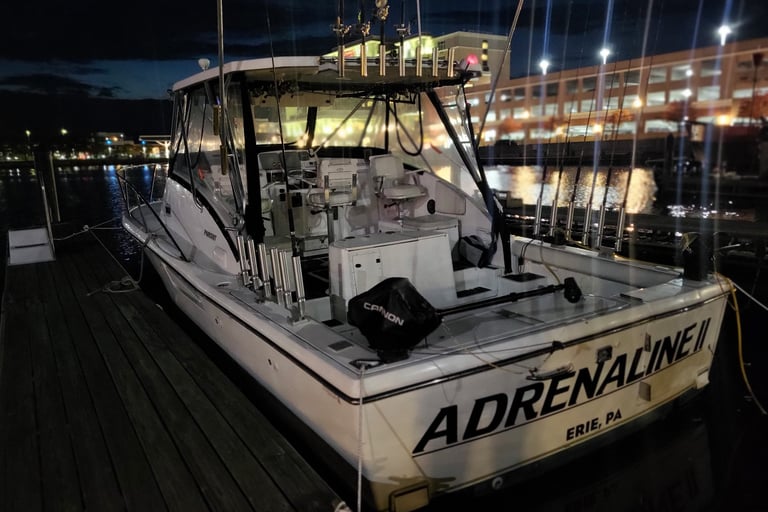
Experience Incredible Great Lakes Fishing Onboard our
Pursuit 3000 Offshore Fishing Machine
About Us
Welcome to Adrenaline Sport Fishing Charters! I'm Captain Pat Crosby, and my lifelong passion for fishing and being on the water has led to create an unforgettable fishing experience for you and your family or friends.
With my 200-ton masters license and 1600-ton mates license, combine with years of experience serving on various types of vessels, from wooden square-rigged tall ships to cement carriers and petroleum carriers, I bring a wealth of knowledge and expertise to each fishing charter.
Our Services
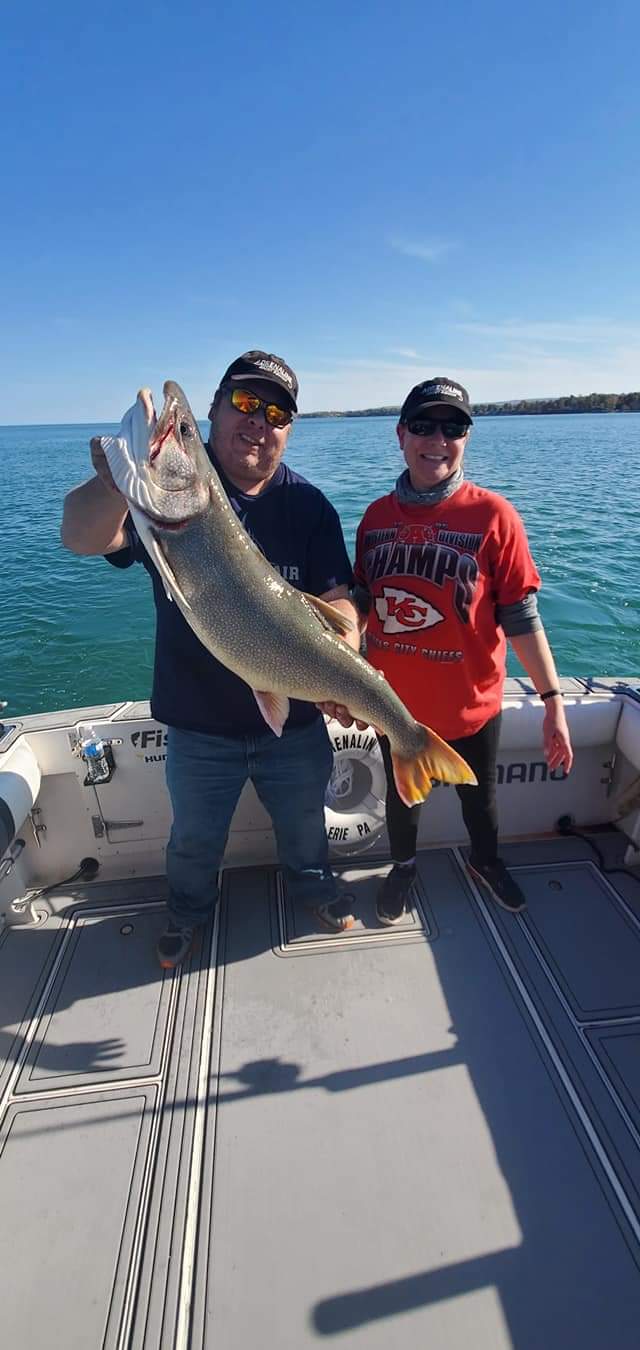
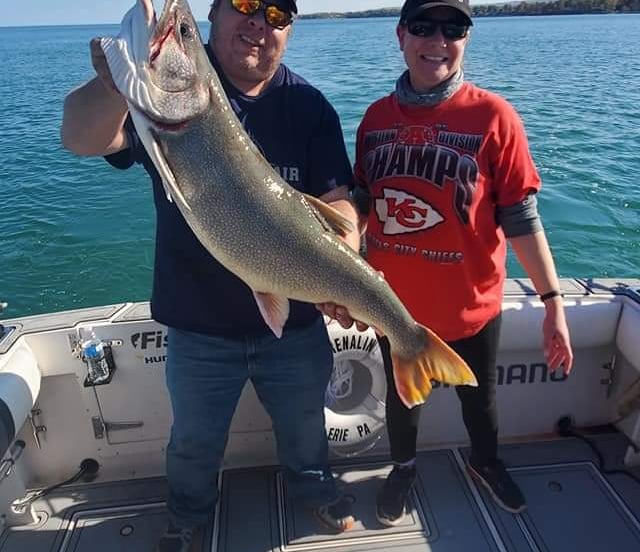
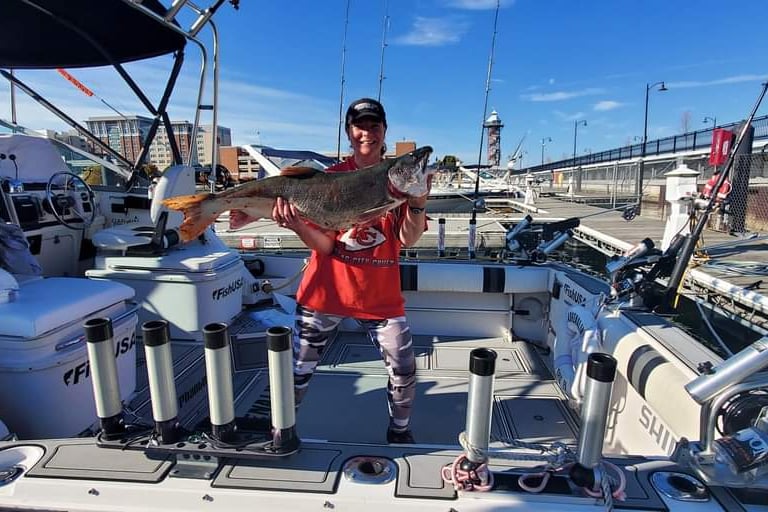
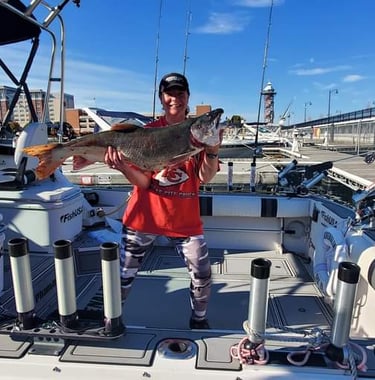
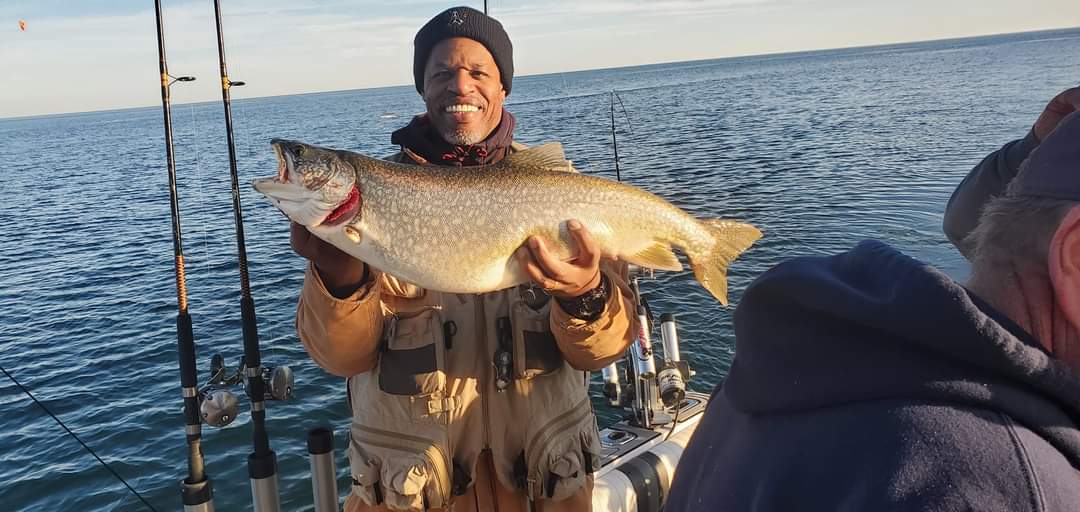
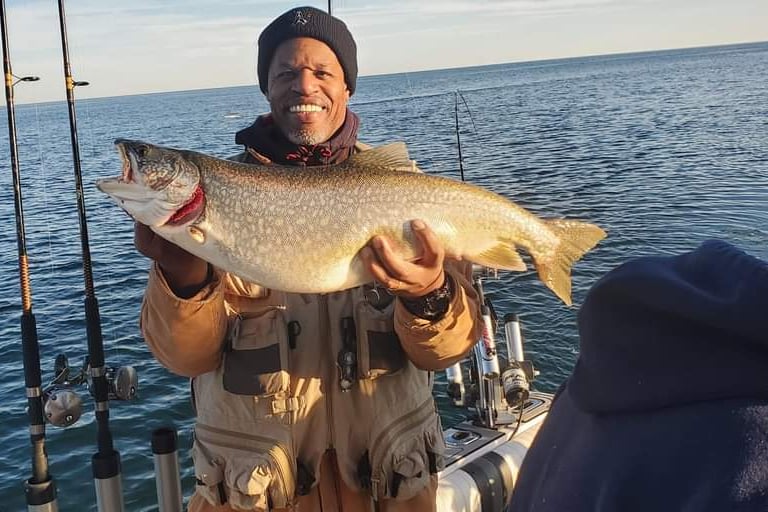
Lake Erie Trout charter season is October- November. Catch a trophy with us!
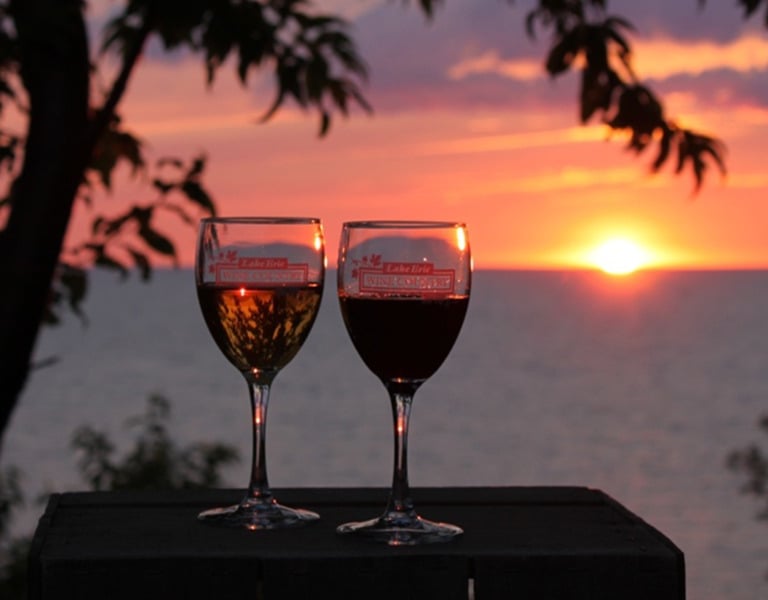
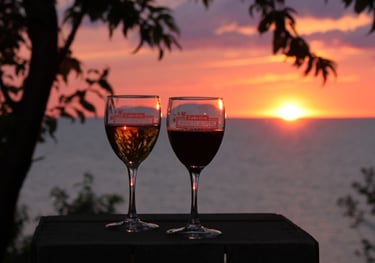
Want a special occasion on the water. Hop aboard a sunset cruise. We have wonderful events in the summer called 8 Great tuesdays. BYOB and enjoy live music from the bay.
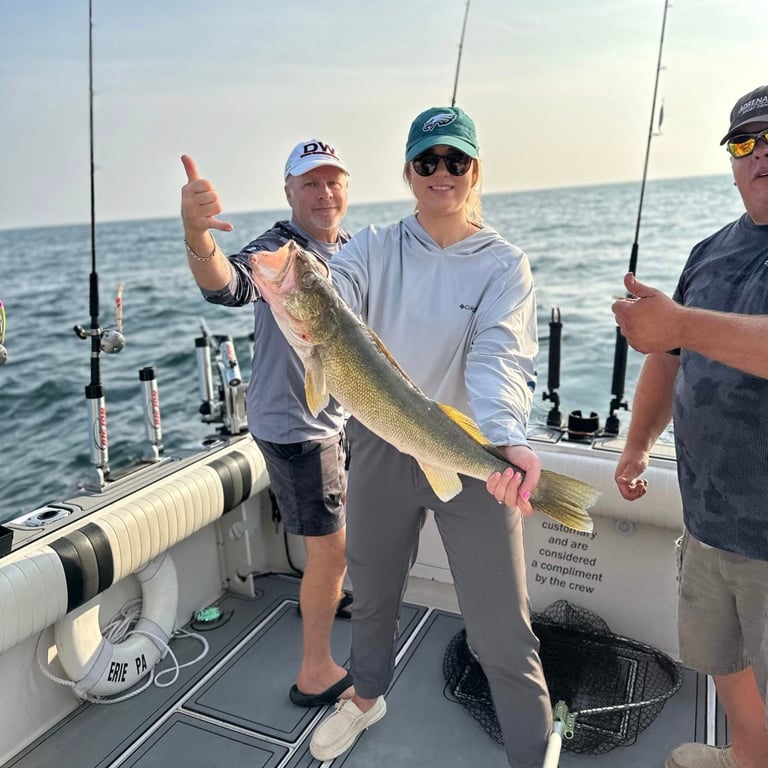
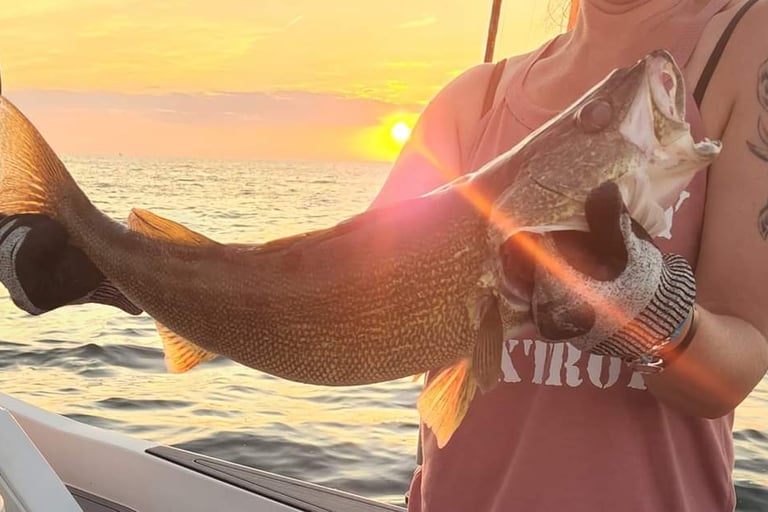
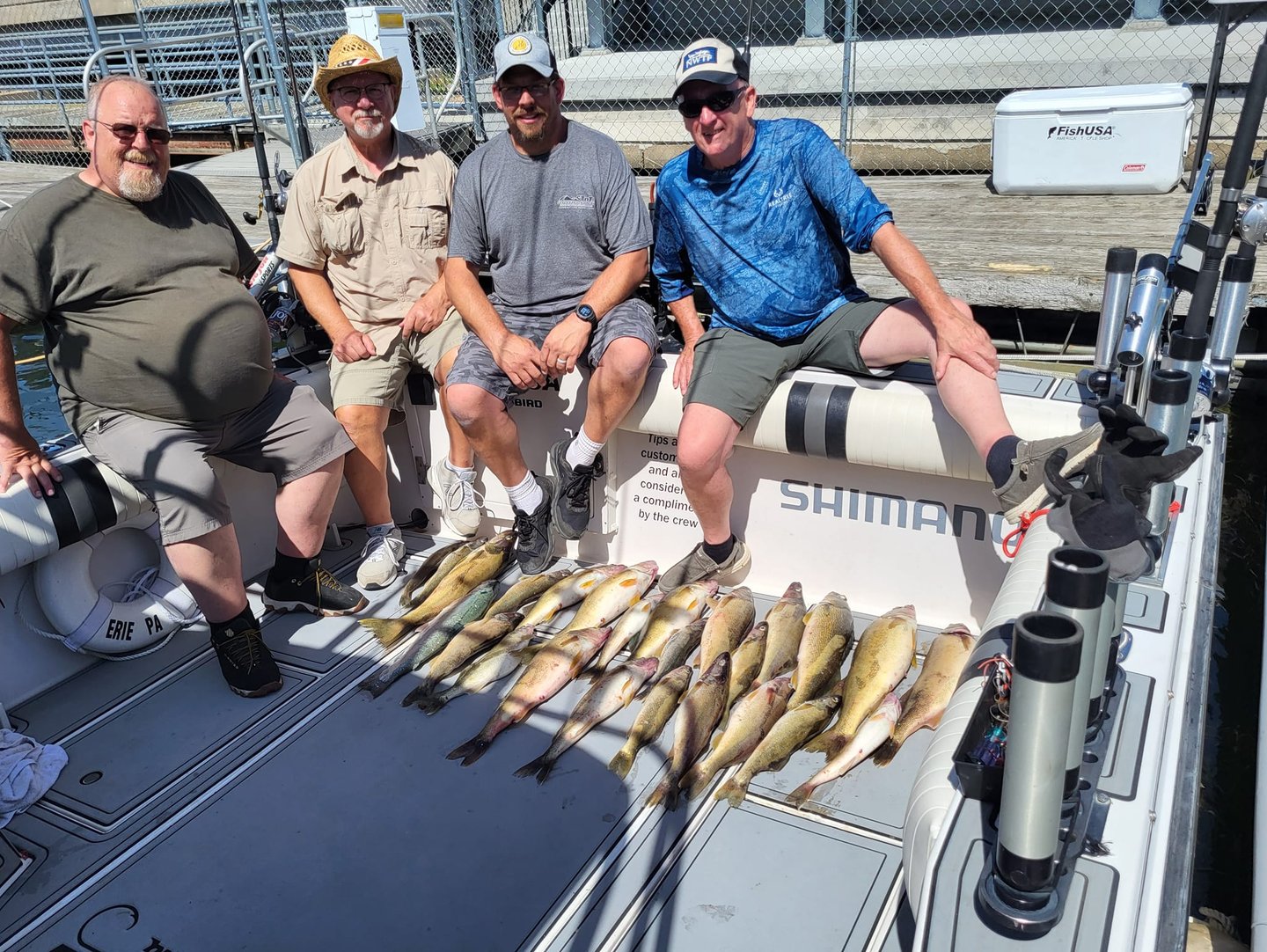
Lake Erie Walleye charters starts June - September.
”It was an honor to charter this vessel,Pat Crosby your a dang good captain,David Andrychowski is a dang good deck boss...Thanks for allowing me to launch gear, set up and reel em in..... First impressions are lasting impressions and you will be ONLY choice from here on out.....”
- James S.
”Great Fishing, Great company and new friends made. Perfect day!.”
- Sara & Steven
”One of the best times I have had in awhile!”
- Michael Key
What our friends say



We love to film our adventures together
Copyrights of Adrenaline Sport Fishing 2023
Full Day Private Fishing Charter
4 people $750
5 people $900
6 people $1,050
A private fishing charter consists of a captain, first mate and your party of up to 6 people.
Less than 4 in your group? Call to see what specials may be available.
Captain Patrick Crosby
814-528-3817